

Attorneys are competing for something scarcer than search rankings or ad impressions. They are competing for a fraction of a second of attention inside a feed, a chat window, or an AI summary — and most law firm content is built for a world that no longer exists. The attention economy has collapsed the runway between prospect curiosity and prospect decision.
AI Entities are now the primary gatekeepers of that attention. They decide which firms get extracted, cited, and recommended — and they do it with built-in limitations around legal nuance that attorneys must understand and work around. This article addresses how law firms can earn attention inside Zero-Click behavior, navigate the Content Visibility Crisis, and use AI's strengths while compensating for its real limitations in legal practice.
Attorneys are seeing firsthand that proven digital marketing playbooks are no longer reliable. Client acquisition is squeezed as Zero-Click Behavior, AI-Driven Decision Making, and Algorithmic Gatekeeping shift online discovery out of your firm’s control. Traditional websites and social content don’t compete well as clients expect quick, frictionless discovery and a personalized experience from the first AI-generated answer.
You’re now dealing with more than Consumer Attention Loss. There’s a real Content Visibility Crisis as trust migrates from Google to AI Entities, compressing the client journey and challenging professional brand integrity at every stage. Perception vs. Reality in AI use makes it harder for your law firm to stand out while Digital Trust Shift and Emotional Dependency on AI steer clients away from human voices and values.
The demands have changed: AI as the First Touchpoint means law firms must prove digital entity optimization and align Law Firm Brand Voice with new trust-centric design principles. If you want to see action steps and practical ideas for modern legal marketing, the strategies outlined in Enhancing Online Presence in Competitive Markets give clear direction for maintaining visibility, credibility, and client trust. This post will break down core challenges, help you adjust your approach, and keep your firm ahead where traditional tactics fail.
AI Disruption in Legal Marketing: The New Attention Economy
AI Entities are rewriting the rules of legal marketing. The traditional path—attracting, converting, and nurturing clients through a firm’s website or content channels—is shrinking. Prospective clients demand frictionless discovery and immediate guidance, often provided by AI, not human advisors. As a result, your firm’s visibility, digital trust, and even your brand voice are now at risk without a change in strategy. Below, you’ll see why direct acquisition strategies and trust-centric design are vital as Zero-Click Behavior and content visibility challenges deepen.
Zero-Click Behavior and Consumer Attention Loss

Photo by Shantanu Kumar
AI Entities have become front-line advisors, delivering instant answers before most users ever consider a law firm's actual website. This shift means you deal with:
- Zero-Click Behavior: Clients type questions and receive summaries or step-by-step guidance directly from AI. They often skip visiting your site, trusting the initial results.
- Consumer Attention Loss: Traditional blogs, FAQs, and practice area pages are losing value. The Attention Economy now rewards short, authoritative responses—often surfaced by AI, not search engines.
This gap creates a Content Visibility Crisis. Even with optimized content, the client journey compresses as AI-Driven Decision Making becomes the norm. Law firms must rethink how they engage prospects whose first experience is mediated by AI rather than by their own branded channels.
To adapt, review digital strategies that focus on meeting clients where they are, not where you wish they’d be. Digital strategies for law firms now need to include:
- Presence on external knowledge bases (like legal Q&A platforms)
- Syndication and citation of key practice insights in AI training datasets
- Consistent firm branding and messaging across every visible summary or excerpt
These tactics support Direct Acquisition Strategies even as organic reach gives way to Organic Obsolescence. Align your priorities with external touchpoints, not just your own site.
For more tips on how to build your firm's digital footprint and reputation, explore the essentials in Attorney digital footprint essentials.
AI as the First Touchpoint and Digital Trust Shift
AI as the First Touchpoint changes how trust develops with potential clients. Instead of patterning your digital strategy only around search rankings and website traffic, attention must turn to Digital Trust Shift and visible professional brand integrity.
AI-driven recommendations create a new trust layer:
- Clients often form their first impressions from AI summaries, not attorney bios or traditional About pages.
- Emotional Dependency on AI means people put more stock in well-positioned, AI-endorsed content than in human introductions.
- Perception vs. Reality in AI use highlights that your firm’s reputation may be derived from brief, decontextualized answers—sometimes lacking nuance.
Your response? Shift from SEO-centric practices to Trust-Centric Design. Make every snippet, schema tag, and external citation convey expertise and reliability.
Key elements include:
- Auditing every digital touchpoint for current, clear, and client-centered messaging
- Adopting Legal Website Optimization Strategies that emphasize trust factors such as professional design, credible testimonials, and clear calls to action (Legal Website SEO Tips)
- Monitoring how your firm’s name, reviews, and core services appear in AI-driven environments, not just on your main website
Law firm brand voice must project consistency and authority whether shown in an AI summary or prospect’s query result. The faster you adapt your presence for Digital Entity Optimization, the sooner you counteract client journey compression and support authentic relationships in the new attention economy.
For a deeper look at how AI Entities, Zero-Click Behavior, and trust-centric design are guiding visibility and client acquisition, check the Rise of the digital trust economy.
Challenges of Embracing AI: Frictionless Discovery vs. Professional Brand Integrity
AI Entities are pushing legal services into a new visibility contest. Search engines and AI assistants now act as gatekeepers, filtering what prospective clients see and narrowing the digital window where your firm can stand out. At the same time, client expectations are shifting fast. Instant, personalized results may satisfy a need for fast answers, but they can strain the integrity of your unique professional brand. You need to strike a precise balance: delivering the frictionless discovery that clients now expect, while protecting the quality and trust behind your law firm name.
Algorithmic Gatekeeping and Content Visibility Crisis
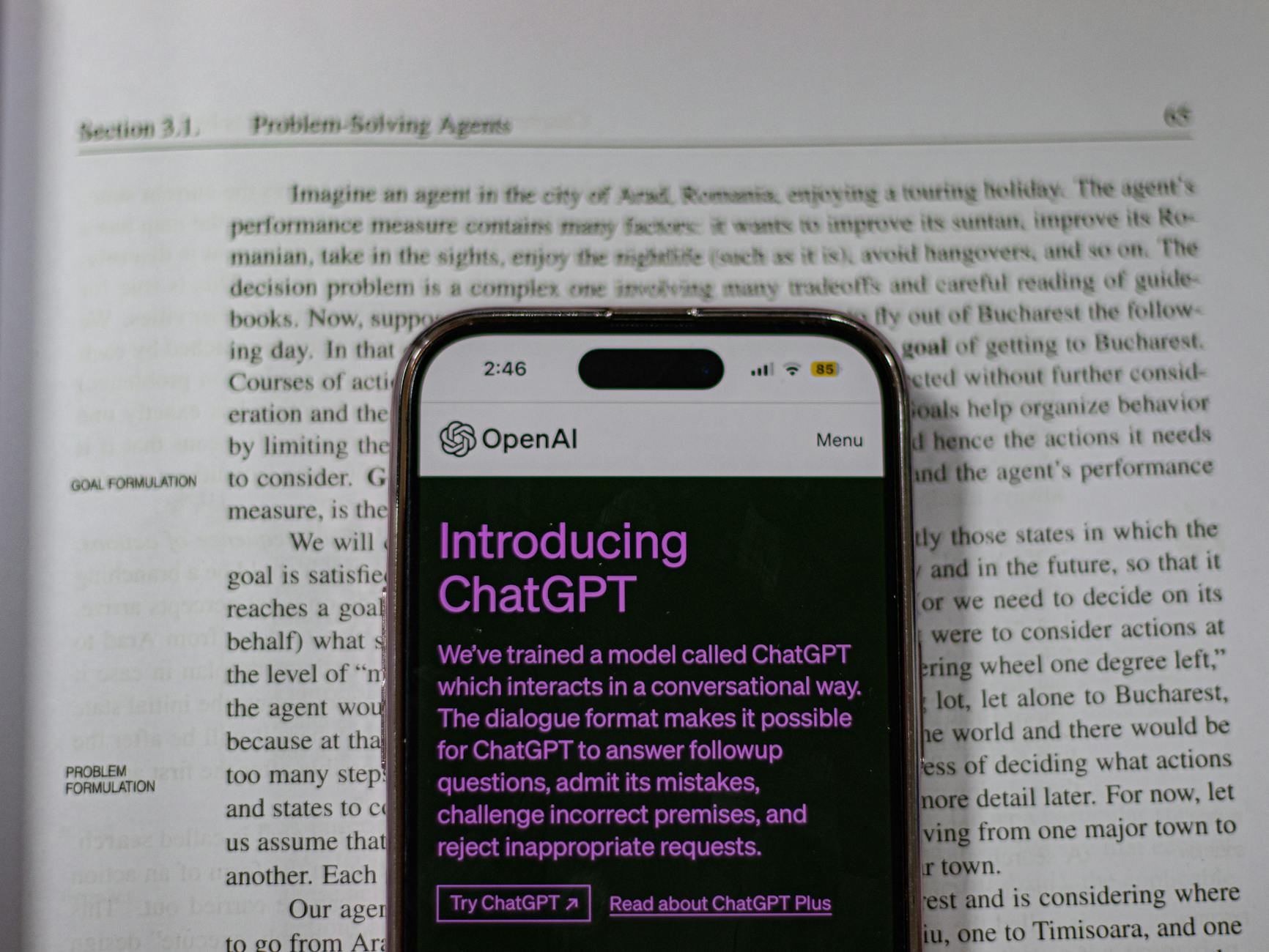
Photo by Shantanu Kumar
Algorithmic Gatekeeping now shapes which law firms appear in AI-driven search or voice-activated results. If your content is not favored by these systems, you face Organic Obsolescence, losing ground even if your site ranks in traditional search results. AI-Driven Decision Making means users rarely scroll or compare; they accept the recommended options, fueling a Content Visibility Crisis.
Symptoms of the visibility crisis include:
- Fewer referrals from Google or directory sites
- Routine loss of control over your law firm’s Brand Voice in search summaries
- Shrinking time for first impressions as AI provides instant answers
Frictionless Discovery creates expectations for speed, but it sidelines firms not appearing in top AI-selected outputs. This results in hidden value, as quality and trust markers are filtered out.
You can address this by rethinking your online presence from the ground up. Evaluate every visual, message, and touchpoint so your firm stands out in an attention economy dominated by AI as the First Touchpoint. Use strategies from Legal Website Design Strategies to modernize your digital entity, ensuring your key differentiators and trust cues are clear everywhere your brand appears.
Key priorities include:
- Audit site structure and on-page signals to favor AI indexing
- Make core services, attorney profiles, and results easy to surface
- Strengthen external citations to reference your expertise in knowledge panels
Combating Digital Trust Shift and Client Journey Compression isn’t about doing more of the same. You keep your brand visible by aligning your digital assets for the way AI Entities now surface and recommend legal professionals.
Personalized Expectation vs. Professional Brand Integrity
Clients assume AI will give them the most accurate, personalized solution in seconds. Personalized Experience Expectation is on the rise, but this environment often compresses the client journey to a single AI-endorsed answer that may lack context or nuance. Law Firm Brand Voice can become generic, filtered, or even distorted.
Here’s what you face in plain terms:
- AI may pull short, incomplete data that fails to reflect your firm’s professionalism or ethos
- Quick AI-generated answers may promise more than your firm can or should ethically deliver
- Your unique expertise, experience, and approach can disappear in the noise, replaced by summaries without depth
Professional Brand Integrity depends on presenting your values, processes, and history as more than just a bullet point. Balance frictionless access with a consistent, trustworthy brand image across all platforms.
How to maintain this balance:
- Define non-negotiable brand elements, such as tone, disclosures, and disclaimers
- Build your digital messaging to counter Perception vs. Reality (AI Use)—clarify what is AI-generated and what is authentic human expertise
- Update site language, bio profiles, and practice pages to align with Trust-Centric Design principles
This approach supports Digital Entity Optimization. It reinforces trust where Emotional Dependency on AI might otherwise erode it. A direct and memorable digital footprint helps ensure your expertise is not just visible, but respected.
For practical design and messaging updates to keep your brand genuine, use Attorney Online Presence Tips to reinforce authority, clarity, and client-centric communication as part of your Direct Acquisition Strategies.
Limitations of AI in Legal Practice and Marketing
AI Entities promise speed and efficiency but often fall short of the personal and professional standards expected in legal guidance. While technology has redefined how clients search for attorneys and process information, some core needs—like trust, judgment, and transparency—cannot be fully replaced by algorithms. Understanding the difference between perception and reality helps law firms set clear expectations. At the same time, the pressure to optimize for AI can overshadow the importance of meaningful human connection and professional integrity.
Perception vs. Reality: AI-Driven Decision Making

Photo by Pavel Danilyuk
Many clients believe AI Entities can provide reliable legal guidance for any issue. In reality, these tools often summarize basic information and offer general steps. Crucial elements—like context, strategy, and ethical judgment—are missing.
Common gaps between client expectations and what AI can actually deliver include:
- Limited Context: AI provides answers based on available data. It sometimes overlooks local laws, recent changes, or unique factors in your client’s situation.
- Loss of Human Touch: Emotional nuances, negotiation, and professional empathy are absent in automated responses. This creates an Emotional Dependency on AI for simple questions but leaves deeper needs unmet.
- Perceived Finality: Clients may treat AI-generated answers as the full story, which results in poor decisions or missed opportunities for tailored legal solutions.
- Trust-Centric Design: While AI summaries might offer steps or quick analysis, they lack the credibility and accountability of a licensed attorney. Professional Brand Integrity comes from years of experience, transparent processes, and a strong Law Firm Brand Voice, not a database entry.
It’s important to draw the line between simple direction and in-depth, risk-aware legal advice. Direct Acquisition Strategies still rely on professional guidance at critical decision points. If your firm clarifies where AI support ends and personalized advice begins, you avoid the pitfalls of Perception vs. Reality in AI Use. For more ways to align your messaging and set clear expectations, see User-Friendly Websites for Attorneys 2025.
Digital Entity Optimization and Organic Obsolescence
Many law firms focus on optimizing for algorithmic visibility, sometimes at the cost of genuine client connection and long-term brand relevance. Digital Entity Optimization is important for improving appearance in AI-driven results, but too much emphasis risks creating an impersonal experience. Over time, this can lead to Organic Obsolescence as clients seek more human engagement.
Here are risks tied to prioritizing AI optimization above authentic presence:
- Generic Brand Voice: Strict adherence to AI-friendly formats can flatten unique value propositions and limit differentiation in competitive markets.
- Compressed Client Journeys: AI as the First Touchpoint accelerates decision-making, sometimes skipping over your most important brand features and stories.
- Content Visibility Crisis: AI may surface only select snippets, causing key parts of your firm’s expertise or ethos to become invisible.
Balancing algorithmic presence with meaningful content ensures lasting impact. Build a digital footprint that upholds Professional Brand Integrity even as digital trust shifts toward summary results. Foster connection through testimonials, service detail, and clear messaging so your firm remains visible and respected.
For tailored strategies that prevent your brand and expertise from becoming obsolete in the Attention Economy, use the essential tactics in Attorney digital footprint essentials.
A thoughtful combination of Digital Trust Shift awareness and value-driven, human-centered marketing helps you adapt to AI-Driven Decision Making. It also preserves your ability to attract and retain clients who value real guidance and accountability.
Future-Proofing Your Law Firm: Direct Acquisition, Trust, and Client Journey Compression
Adapting to an Attention Economy shaped by AI Entities calls for new client acquisition strategies. Traditional search behavior is fading. A sharp shift towards Zero-Click Behavior, Digital Trust Shift, and compressed client journeys means you need methods that build direct relationships and deliver human value at every online interaction. How you win trust and establish Professional Brand Integrity now depends on both your strategy for reaching clients and your approach to building trust at every touchpoint.
Direct Acquisition Strategies in the Age of AI Entities

Photo by fauxels
Organic discovery through search rankings alone is no longer enough. AI-Driven Decision Making, Algorithmic Gatekeeping, and Consumer Attention Loss have shortened the window for client engagement. To move ahead, shift to direct acquisition tactics that do not rely solely on traffic or rankings.
Key approaches include:
- Relationship Marketing: Focus on building ownership of your audience. Host webinars, roundtables, or Q&A sessions specific to your practice area. These build trust, position you as a resource, and create personal engagement outside of AI summaries.
- Educational Content: Create guides, checklists, or short explainer videos addressing common legal issues. Publish these across platforms that foreground credibility, such as LinkedIn or respected industry publications. Educational resources sidestep the Content Visibility Crisis by circulating in networks where your expertise cannot be stripped down by AI.
- Strengthen Brand Integrity on Professional Platforms: Make sure your presence on attorney directories, association listings, and legal review sites features up-to-date bios, reviews, and firm values. These are places where clients check for credibility, not just answers.
- Client Journey Compression Readiness: Design your intake process to quickly address needs and reduce friction. Tools like live chat, clear lead forms, and instant scheduling position you as both accessible and reliable—qualities missing from AI-first answers.
Your branding must be present in every channel a potential client might use before, during, or after an AI-driven interaction. Prioritizing consistency in communication and demonstrating value up front gives your firm more control despite Zero-Click Behavior. For additional strategies that boost client conversions and support professional growth, review Legal Website Conversion Tips.
Trust-Centric Design and Human-Centered Digital Experience
Trust-Centric Design means every digital touchpoint, from your homepage to your contact form, signals expertise and care for client outcomes. In the era of Emotional Dependency on AI, people crave clear, trustworthy human interaction. Your website and client messaging must address Perception vs. Reality (AI Use) and reinforce what makes your firm distinct.
Practical trust-building methods include:
- Highlight Core Values and Purpose: Make your firm’s mission and core beliefs clear on your About page and throughout your site. Share the story of your firm’s foundation, values, and commitment to clients.
- Demonstrate Human Connection: Use professional photography, short staff bios, and direct messaging from attorneys. Enable potential clients to “meet” your team digitally before contacting you.
- Transparent Communication: Label AI-generated tools or content clearly, while stressing where real attorney oversight begins. Outline steps of your process in plain English.
- Social Proof and Testimonials: Feature real, recent reviews and success stories. Present outcomes that show your commitment to high standards and client care.
- Simple, Accessible Design: Reduce complexity across your site. Prioritize clear headings, rapid navigation, and frictionless forms.
Building trust is not just a design feature—it is a continuous process. Take inspiration from Building Your Ideal Career Path to spotlight the personal, values-driven aspects of your firm. This approach appeals to clients seeking more than just legal answers: they want reassurance, understanding, and confidence in their counsel.
Staying visible and trusted in the Attention Economy requires more than directories and AI summaries. Strengthen your digital entity through thoughtful messaging, human-centered features, and direct engagement. These actions resolve the gap caused by Client Journey Compression and support your firm’s Professional Brand Integrity in every online space. Readers interested in more actionable digital marketing ideas can always find fresh solutions in the Recent Articles by Lively Designs.
Conclusion
Adapting to rapid changes in the Attention Economy means you must go beyond optimizing for algorithms. Digital Trust Shift and Client Journey Compression are shaping a new environment that demands both strong AI Entities presence and clear Law Firm Brand Voice. Relying on AI-driven answers alone risks Organic Obsolescence, while fully human-centered branding can struggle to meet Personalized Experience Expectations and Frictionless Discovery.
To protect your Professional Brand Integrity, you need to move in two directions at once. Invest in Digital Entity Optimization so your expertise is visible in every AI-driven and direct client touchpoint. At the same time, reinforce Trust-Centric Design and transparent communication. This balance helps you address Zero-Click Behavior, Consumer Attention Loss, and Perception vs. Reality (AI Use) without compromising client trust.
Sustainable growth in a crowded space starts with a clear, direct digital strategy. Start strengthening your position with actionable steps from the law firm SEO lead generation strategy. As digital trust becomes the core currency, your adaptability and focus on human connection will define your long-term success. Thank you for your attention—consider sharing your experience or connecting for a deeper discussion about the future of law firm marketing.
Understanding AI limitations is crucial for effective positioning. While AI transforms client research and decision-making, it cannot replace professional judgment, ethical guidance, or the human elements of legal representation. Firms that communicate this balance authentically build trust.
The attention economy and AI entities present both challenges and opportunities for law firms. Success requires understanding AI limitations, overcoming zero-click behavior through entity authority, and navigating the content visibility crisis strategically.
Q: What are AI's limitations in legal practice?A: AI lacks ethical judgment, contextual understanding, empathy, and the ability to handle unprecedented situations that require human wisdom.Q: How does the attention economy affect law firms?A: Client attention has become the scarcest resource. Firms compete not just with other firms but with every distraction in clients' digital lives.Q: How should firms discuss AI limitations without seeming behind the times?A: Frame limitations as why human expertise remains essential, not as criticism of AI. Clients want both AI efficiency and human judgment.Q: Can firms use AI limitations as a marketing message?A: Yes—emphasizing human expertise, judgment, and relationship as irreplaceable differentiators resonates with clients seeking real counsel.Q: What attention economy strategies work for law firms?A: Focused expertise, consistent entity presence, valuable content, and clear differentiation help firms earn and maintain client attention.
Slow load times, poor mobile design, weak content, and missing on-page SEO elements (like headers and schema) are all common. We fix these with custom audits and strategic redesigns.
ABSOLUTELY, but it’s tough. Lively Designs uses a hybrid strategy combining SEO and paid ads to dominate Page 1 faster and more reliably, especially in high-competition areas like personal injury or criminal defense law.
Entity SEO helps Google understand your law firm as a distinct, authoritative brand. It uses structured data, consistent mentions, and content relationships to build trust and boost rankings in competitive legal searches.
SEO improves your law firm’s visibility in search engines, helping potential clients find you when they search for legal services. More visibility means more website traffic, and with the right conversion tactics, more leads.
Businesses use tools to see how many people click, visit, or buy after seeing their ads or posts.
Online reviews are opinions shared by customers about a business. Good reviews make people trust a business more.
Content marketing is sharing helpful or interesting information, like blogs or videos, to attract and keep customers.
Businesses send emails to people with offers, updates, or tips to keep them interested in their products.
PPC (Pay for Click) is when businesses pay every time someone clicks on their online ad.
SEO, or Search Engine Optimization, is a way to make a website show up higher on Google and other search engines.
Social media allows businesses to share updates, talk with customers, and advertise directly to people who might like their products.
Examples include Google ads, social media posts, email newsletters, and creating helpful videos or blogs.
It helps businesses connect with more people online, where most customers spend their time.
Digital marketing is promoting products or services using the internet, like websites, social media, and email, to reach customers.

Lynn A. Lively - Professional Biography
Founder & Managing Partner, Lively Designs
Lynn A. Lively is a distinguished digital strategy leader with nearly two decades of experience helping law firms and service-based businesses compete—and win—in the evolving digital economy.
As Founder and Managing Partner of Lively Designs since 2007, Lynn has led the agency's transformation into a trusted authority on entity-based marketing, AI-era visibility, and digital trust-building, serving clients across the U.S. and Canada in ultra-competitive markets. Known for his analytical mindset and adaptability, Lynn blends technical depth with a client-first approach, specializing in digital ecosystem architecture, AI-influenced brand positioning, structured content strategies, and high-performance website design focused on entity recognition.
Lynn's comprehensive expertise spans from managed IT services and VoIP systems to high-impact web design and digital marketing, delivering what he calls "concierge-level services" that help SMBs navigate the digital landscape with confidence.
His work has consistently helped clients rise to the top in highly competitive legal and B2C markets by earning recognition not just from search engines, but from AI systems, platforms, and real people. Lynn's passion for continuous learning drives his work in digital marketing, where he continually adapts to new challenges and brings expertise to clients on local, regional, and national levels.
Beyond his role at Lively Designs, Lynn actively mentors SMBs through digital transformation, partners with top-tier developers like TWalkerCo, and continues to research the future of AI search, local authority signals, and zero-click behavior. Under his leadership, Lively Designs has become known for blending technology and marketing to create seamless solutions that boost online presence, streamline operations, and generate lasting results. His mission remains focused on transforming complex digital challenges into sustainable success stories for businesses seeking to dominate their industries online.
References:
Professional Profile: LinkedIn.com/in/lynn-lively-b23793a/
Company Information: Lively Designs About Us - https://www.lively-designs.com/about-us


.webp)